How Do You Calculate ROI for an Industrial Vegetable Blanching Machine in Commercial Production?

A French fries plant, a potato chip maker, or a frozen vegetable factory that adds a blanching step usually wants to know how fast the machine pays for itself. The industrial vegetable blanching machine for commercial production stabilizes color, reduces raw odor, and prepares vegetables before frying or freezing, and its return comes from labor, quality, and waste savings. This article explains the cost items and the calculation that turns a food equipment purchase into a measured return.
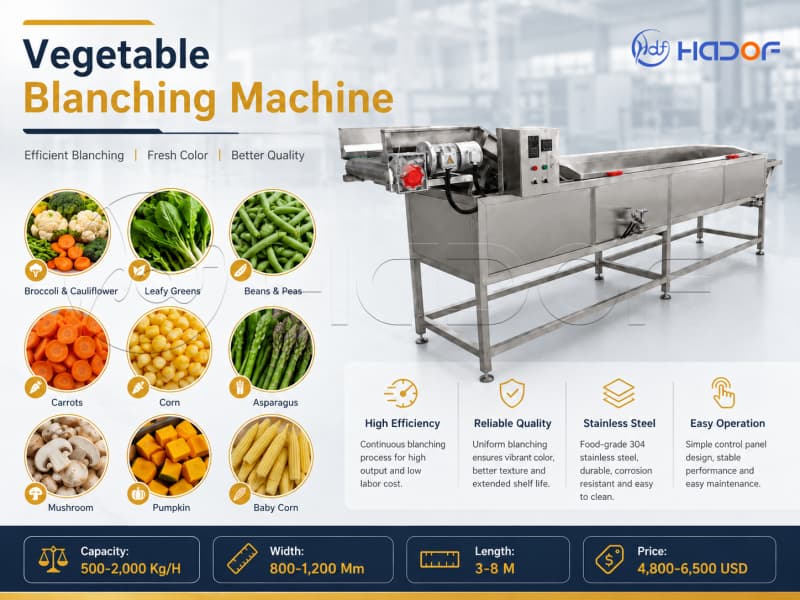
industrial vegetable blanching machine

Which Cost Items Belong in a Blanching ROI Calculation?

ROI starts with the total landed cost of the machine, not only the list price, so a buyer adds delivery, installation, utility connection, and the first year of maintenance. The continuous vegetable blancher with electric, steam, or gas heating comes in capacities around 500, 1,000, or 2,000 kg/h, and the heating choice changes the operating cost. A buyer also records energy, water, and the labor hours the machine removes. These items turn a loose food cost estimate into a figure the plant can defend.

How Does the Blancher Reduce Labor and Energy?

A continuous blancher replaces the pots, strainers, and hand timing that a manual station requires, so one worker supervises a process that once needed several. The vegetable blanching equipment for a fried food line holds a steady temperature and moves product forward on a controlled belt, which removes the stop-start rhythm of batch cooking. Steam and gas options let a plant choose the energy source that fits its local utility cost. These savings repeat every shift and form the core of the food production return.

How Does Blanching Improve Yield and Reduce Waste?

Blanching prepares the product before frying or freezing, and that preparation shows up in color, texture, and final yield. The machine stabilizes vegetable color, reduces raw odor, and deactivates surface enzymes, so fewer batches leave the line as rejects. A more even product also absorbs less excess oil, which lowers both waste and oil cost. This food preparation step therefore adds value that a simple ROI calculation should count as avoided loss.

How Does the Blancher Connect With a Freezing Line?

A blanching machine performs best when the next stage receives product at the right temperature, so the connection matters for the return. The blancher feeds a quick freezer for blanched vegetables, a cooling step, and a packer, and each handoff keeps the product moving. A smooth connection prevents the pile-ups that idle the freezer and waste energy. This line design protects the food processing system and keeps the payback on schedule.

How Should a Plant Measure Payback Months?

Blanching process removes a manual step, so the plant can estimate payback by dividing the delivered cost by the monthly labor, energy, and waste saving. You can review the blanching machine manufacturer before a purchase, because service and spare parts keep the machine productive. A measured payback turns the food machinery decision from a guess into a budget the factory can approve.

Conclusion

An industrial vegetable blanching machine pays for itself through labor, energy, and waste savings, and a buyer calculates the return by dividing the delivered cost by those monthly benefits. These checks protect the food production budget. If you have interests, you can learn more about https://www.friedfoodsolutions.com/vegetable-blanching-machine/
What Is the Downtime Risk of a Hydraulic Roller Pelletizer?

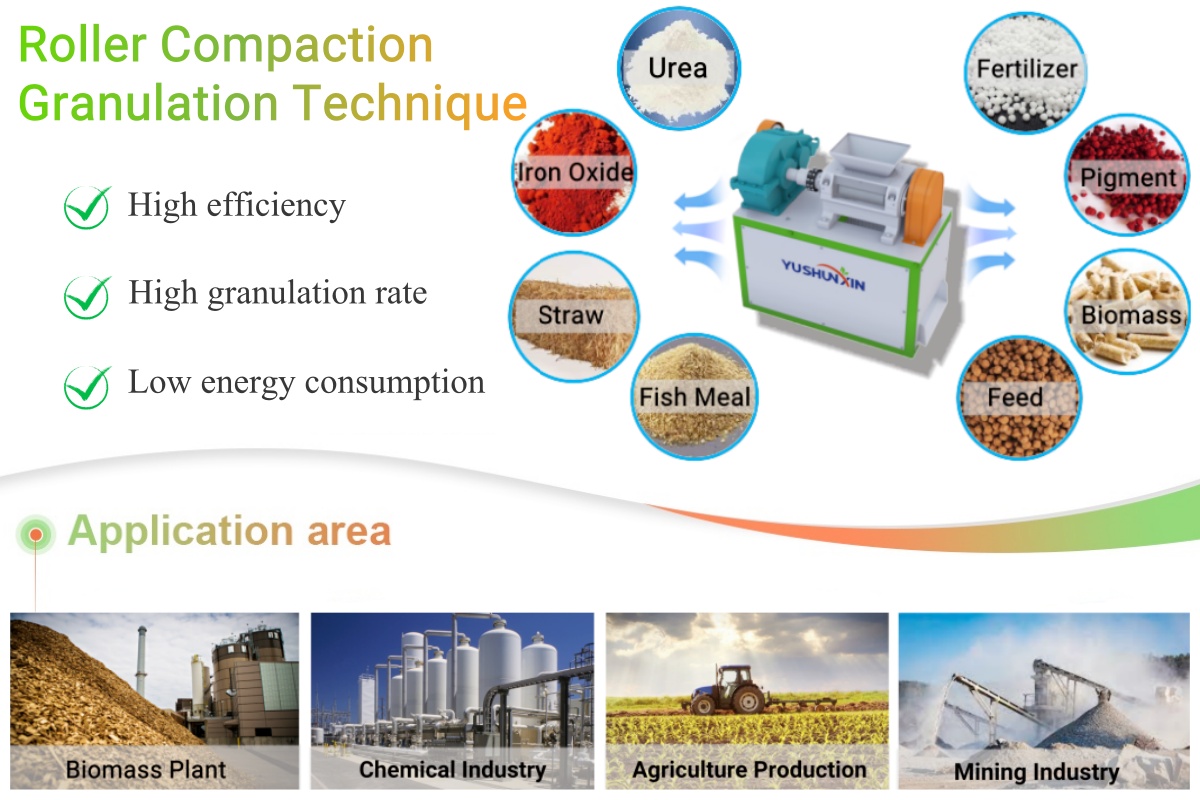
Fertilizer plant teams often evaluate a hydraulic roller pelletizer system to understand how maintenance and material condition affect uptime. The hydraulic drive applies steady pressure to the rollers and compacts powder into granules without a dryer. Chicken manure, crop straw, humic acid, and sewage sludge can enter the machine after crushing and mixing. When you review the hydraulic roller pelletizer, you check roller wear, oil pressure, and feed consistency.

hydraulic roller pelletizer

hydraulic roller pelletizer

Which component conditions create the main hydraulic roller pelletizer downtime risk?

Roller wear, hydraulic oil temperature, and uneven feed create the main downtime risk for a hydraulic roller pelletizer line. You can inspect the roller surface and replace worn parts before they affect granule shape. A crusher before the press reduces oversized material and keeps the feed steady. You can also monitor the hydraulic system so pressure remains stable during continuous fertilizer manufacturing. This attention protects the fertilizer machinery and shortens unexpected stops.

How does a hydraulic roller pelletizer machine keep production stable under load?

A hydraulic roller pelletizer machine keeps production stable when the hydraulic drive adjusts pressure according to the material density. You can feed the powder at a consistent rate and keep moisture within a low range before pressing. Organic fertilizer extrusion technology supports this dry forming method and reduces the heat load in the fertilizer extrusion line. A screening machine after the press then separates the on-size granules and returns fines for re-pressing.

Which maintenance steps lower hydraulic roller pelletizer downtime?

Regular inspection, clean feeding, and timely roller replacement lower hydraulic roller pelletizer downtime. You can check the oil level, clean the feed inlet, and avoid hard foreign objects that damage the roller surface. You can compare these steps with the general principles of organic fertilizer processing to keep the fertilizer processing plant running smoothly. This routine helps your team reduce the fertilizer production budget spent on emergency repair.

Which material conditions should operators monitor before pressing?

Operators can monitor moisture, particle size, and hardness before pressing. Dry powder forms strong granules, while wet or sticky material may block the feed or reduce pellet strength. You can add a crusher and a mixer to prepare the feedstock and improve the fertilizer manufacturing process. This preparation also protects the hydraulic roller pelletizer from unnecessary stress.

Why should fertilizer producers compare hydraulic roller pelletizer maintenance with other granulation methods?

Fertilizer producers compare hydraulic roller pelletizer maintenance with wet granulation methods because the dry route has no large dryer and no long cooling drum. You can process chicken manure, crop straw, humic acid, and sewage sludge with lower heat demand and fewer moving parts. The hydraulic press still needs roller inspection and oil care, but the overall maintenance load stays manageable. This comparison helps your team plan a compact fertilizer extrusion line and protect the fertilizer manufacturing system from frequent shutdowns.

To summarize, the downtime risk of a hydraulic roller pelletizer depends on roller wear, hydraulic pressure, feed uniformity, and material moisture. You can reduce the risk with regular inspection and proper feedstock preparation. A fertilizer machinery manufacturer can support the pelletizer with crushers, mixers, and screens. Yushunxin provides this hydraulic roller pelletizing equipment for fertilizer producers. If you have interests, you can learn more about https://www.extruder-granulator.com/hydraulic-roller-pelletizer

How Much Does an Industrial Garlic Processing Plant Cost for a Large-Scale Food Processing Factory?

A large food factory that plans peeled garlic cloves, garlic powder, or garlic paste production needs a full line, and the budget depends on more than a single machine list. The industrial garlic processing plant for a large-scale food factory joins sorting, separating, peeling, washing, drying, and packing, and the final cost follows capacity, product type, and factory design. This article explains the cost drivers, the process steps, and the checks that keep a large garlic project within a realistic food investment budget.

industrial garlic processing plant

What Cost Drivers Shape an Industrial Garlic Processing Plant Quotation?

A garlic plant quotation changes with processing capacity, the final product mix, and the factory layout, because a line that makes peeled cloves differs from one that makes powder and paste. Heating method, automation level, and stainless steel grade also move the number, and a buyer should separate machinery cost from installation, electrical work, and drainage. The quotation usually covers the main machines plus the conveyors that connect them, and a custom design removes gaps that a fixed package leaves behind. A buyer who lists these drivers early gets a food equipment quotation that reflects the real project instead of a bare machine price.

How Does Capacity and Factory Area Affect the Total Investment?

Capacity decides the machine size and the floor the line needs, so a small plant and a large one plan differently. A small garlic line that processes roughly 100 to 300 kg/h fits a workshop of about 50 to 100 square meters, while a medium line at 500 to 1,000 kg/h needs around 150 to 300 square meters. The automatic fresh garlic processing line with peeling and drying scales up for a large factory that produces peeled cloves, powder, and paste together. A buyer who confirms both throughput and area avoids a food manufacturing layout that crowds the machines or blocks the operators.

Which Process Steps Belong in a Large Garlic Processing Line?

A complete line follows garlic root cutting, manual sorting, separating, peeling, washing and drying, color sorting, deep processing, and final packing. The industrial garlic processing production line for peeled cloves and powder moves bulbs from the sorting platform through a separator that splits whole bulbs into cloves, then through a bubble washer, an air dryer, and a color sorter. Each step feeds the next, and a matched speed keeps the line from backing up. A buyer who maps this sequence understands where each portion of the food processing budget actually goes.

How Does Automation Reduce Labor and Operating Cost?

Automation removes the most repetitive garlic work, and that saving appears in the operating cost every month. A garlic separating machine achieves over 95 percent separating rate and can replace roughly ten workers, while a peeler and a color sorter remove the manual tasks that slow a line. Fewer operators also reduce the food handling touches that risk contamination. A large factory that counts these savings finds that a higher initial automation level can lower the long run food production cost, because labor is a recurring expense while the machine is a one-time purchase.

How Does Garlic Drying Fit the Processing Plant Layout?

After washing, garlic cloves need drying before deep processing or packing, and the drying step decides both quality and shelf life. The line feeds a garlic air drying machine for a processing line, which removes surface water with adjustable air flow before sorting or slicing. A dryer that matches the washer capacity keeps the line moving and prevents wet cloves from spoiling downstream. This drying connection belongs in the plant design, because a missing or undersized dryer turns an efficient food processing system into a bottleneck.

How Should a Factory Compare Suppliers and Project Budgets?

Garlic processing runs on seasonal supply, so a factory needs a supplier that can install the line before the harvest window and support it after. You can review the industrial garlic processing line manufacturer before a purchase, and that review shows engineering, spare parts, and commissioning experience. A careful buyer asks for a trial with its own garlic and a written breakdown of each stage. These steps turn a large food investment into a measurable project instead of a guess.

Conclusion

An industrial garlic processing plant cost follows capacity, product mix, factory area, and automation, and a large line joins sorting, separating, peeling, washing, drying, and packing into one flow. A buyer who maps those drivers and the process steps keeps the project on budget. If you have interests, you can learn more about https://www.hadofps.com/solutions/fresh-garlic-processing-line/

How Can a Beating Machine Reduce Labor in a Medium-Scale Food Processing Plant?

A medium-scale fried food plant that prepares batter by hand usually finds that mixing, carrying, and pouring consume hours that a machine could handle in minutes. The beating machine for food processing plants controls batter mixing, slurry supply, and viscosity management before coating and frying, and that automation changes how many workers the plant needs on the batter station. This article explains the tasks the machine replaces, the way it holds batter quality steady, and the connection steps that turn it into a labor-saving food automation system.

beating machine for food processing plants

Which Manual Tasks Does an Industrial Beating Machine Replace?

Manual batter preparation assigns workers to measure ingredients, mix a large batch, carry the slurry to the coating line, and adjust the thickness when it changes. The industrial beating machine for batter preparation handles mixing, emulsification, homogenization, and slurry feeding in one unit, so the team stops lifting and hand-stirring. Strong suction pulls ingredients into the mixing tank, high-speed shearing breaks them into a smooth mixture, and an automatic pump moves the slurry toward the battering machine. This replacement removes the heaviest food handling work and keeps the batter station ready for continuous production.

How Does the Beater Control Viscosity and Slurry Supply Automatically?

Viscosity decides whether a coating stays light and even or clumps on the product, and the machine holds that value with a controlled mixing and discharge system. The automatic batter mixing machine for fried food coating uses a circulation and discharge pump plus a PLC control system, so the slurry moves from the tank to the coating line without a worker scooping it. The mixing tank holds from 100 to 200 liters, and the mixing power runs from about 1.1 kW to 2.95 kW depending on the model. A plant that automates this step keeps the food manufacturing flow steady and frees the operator for inspection instead of stirring.

How Does High-Speed Shearing and Emulsification Improve Batter Quality?

High-speed shearing and emulsification turn separate flour, water, starch, and egg ingredients into a uniform batter that coats every surface the same way. A consistent batter reduces the pockets, lumps, and thin spots that cause uneven frying and oil absorption. The beater’s SUS304 mixing tank keeps the contact surface hygienic, and the high-speed mixing system reaches the corners that a paddle mixer leaves behind. A medium plant that serves chicken nuggets, onion rings, or vegetable snacks therefore gets a food preparation result that a hand mixer cannot repeat across a full shift.

How Does a Beater Connect With Battering and Frying Equipment?

A beating machine works best when the slurry moves automatically into the next stage, because a manual handoff reintroduces the labor the plant just removed. The beater connects with a automatic batter breading equipment for coated snacks, a breading machine, and a frying machine to form a complete coating system. Each connection keeps the slurry at a steady temperature and viscosity, so the coating line runs without stopping to refill. This continuous food production setup reduces both staffing and the spoilage that comes from batter sitting idle.

How Should a Plant Plan Labor Around Food Processing Automation?

Emulsion preparation becomes a supervised task rather than a manual one when a beating machine joins the line, so the plant reassigns workers to coating inspection, frying, and packing. You can review the fried food coating equipment manufacturer before a purchase, because training and spare parts decide how easily the team keeps the machine running. A practical food budget counts the labor saving across every shift and the fewer rejected batches that a consistent batter delivers.

Conclusion

A beating machine reduces labor in a medium-scale food processing plant by replacing hand mixing, carrying, and pouring with automatic batter preparation, viscosity control, and slurry feeding. The plant reassigns workers to inspection and downstream tasks while the machine keeps coating quality steady. If you have interests, you can learn more about https://www.friedfoodsolutions.com/industrial-beating-machinery/

How to Choose the Right Fertilizer Granulation Plant for Your Raw Materials

When you plan a fertilizer production project, choosing the right granulation solution starts with understanding your raw materials. Different materials have different moisture levels, particle sizes, chemical properties, and granulation behaviors. A suitable production system can help you achieve stable operation and produce fertilizer products that match your target market.

Before selecting equipment, you can evaluate your materials, production capacity, and final product requirements. A professional supplier can help you compare different technologies and create a solution based on your actual situation.

Understand Your Raw Materials Before Selecting Equipment

Your raw materials influence the granulation process directly. Some materials have good compressibility and lower moisture, while others require additional preparation before granulation.

For example, organic materials may need fermentation, crushing, and screening before entering the granulation stage. Mineral or compound fertilizer materials may require precise mixing and moisture control to achieve consistent granules.

If you are planning a commercial fertilizer pellet production line, understanding your material characteristics helps you select equipment that matches your production goals.

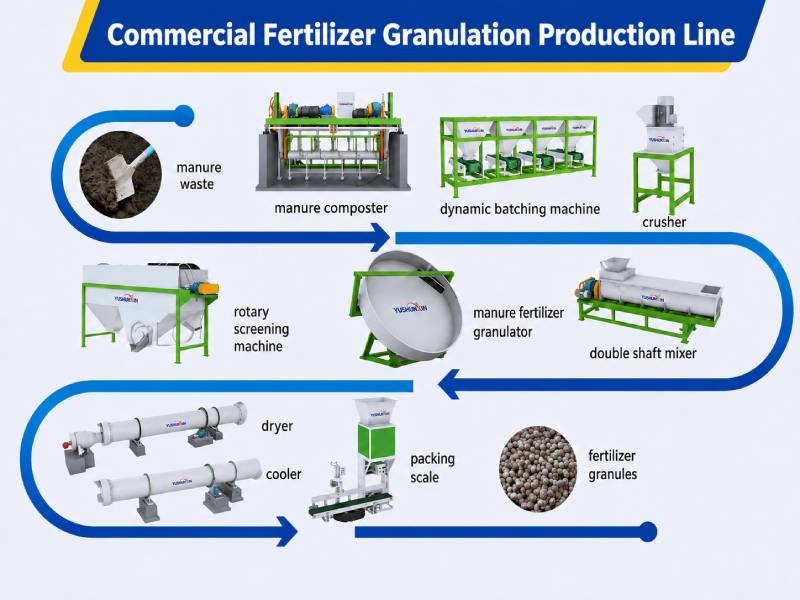
Commercial Fertilizer Granulation Production Line

Match Granulation Technology with Your Product Requirements

Different granulation technologies create different production advantages. Your choice may depend on the required particle size, granule appearance, production capacity, and energy consumption.

For projects requiring continuous production and stable output, a rotary drum granulator fertilizer production line can be considered as one possible solution. This type of system is commonly integrated with mixing, drying, cooling, screening, and coating processes to create a complete fertilizer production flow.

For materials with different characteristics, other granulation methods may also provide suitable options. Comparing equipment performance with your raw materials helps you avoid selecting a system based only on capacity numbers.

Consider Capacity and Investment Together

Production capacity is another important factor when choosing a fertilizer granulation plant. A small local fertilizer business and a large fertilizer manufacturer usually have different equipment requirements.

Many customers first ask how much does a fertilizer granulation plant cost, but the final investment depends on factors such as raw material preparation, production scale, automation level, and supporting equipment.

An industrial scale fertilizer granulation system may include automatic feeding, batching, granulation, drying, cooling, screening, packaging, and control systems. Reviewing the complete process helps you understand the relationship between investment and production efficiency.

Plan for Future Production Needs

When you design your fertilizer project, you can also consider future product expansion. If you plan to produce different fertilizer formulas or increase output later, a flexible equipment layout may provide more convenience.

Automation can also improve production management. A fertilizer granulation plant with automatic packaging connects granulation with the final packing stage, creating a smoother workflow from raw material processing to finished fertilizer bags.

Click here for more details to explore more fertilizer granulation solutions.

Choose a Solution Based on Your Project Goals

The right fertilizer granulation plant depends on the relationship between your raw materials, product requirements, production capacity, and investment plan. By evaluating these factors together, you can find a configuration that fits your business development.

For more information about fertilizer granulation solutions and equipment options, you can visit https://www.shunxin.eu/fertilizer-granulation-plant/

Как выбрать гранулятор удобрений для навоза, компоста и органических смесей

Ферма или завод органических удобрений получает устойчивую грануляцию только после того, как сырьё достигает подходящего состояния по влажности, размеру частиц и однородности. Поэтому гранулятор удобрений для навоза, компоста и органических смесей следует выбирать после анализа зрелого компоста, а не по названию исходного отхода. Куриный помёт, коровий навоз, свиной навоз, солома и другие органические компоненты дают разные физические свойства после ферментации. Такой подход связывает fertilizer production process с реальным состоянием материала и помогает предприятию выбрать между влажным перемешиванием, дисковой, барабанной или экструзионной технологией.

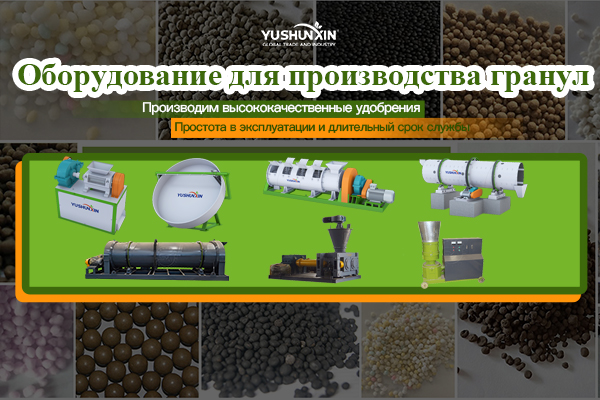
Грануляторы.
Грануляторы.

Как степень подготовки навоза и компоста влияет на выбор гранулятора?

Свежий навоз содержит нестабильную влагу и неоднородную структуру, поэтому предприятие сначала проводит ферментацию и стабилизирует массу. После созревания инженер оценивает крупные комки, волокнистые включения и влажность. Если материал содержит длинную солому или плотные агломераты, дробилка помогает выровнять фракцию. Если проект смешивает несколько органических компонентов, смеситель поддерживает одинаковый состав перед формованием. Эти две машины улучшают fertilizer preparation process и уменьшают колебания нагрузки на гранулятор.

Покупатель должен анализировать подготовленный компост, а не исходный вес свежего навоза. Масса и влажность меняются во время обработки, поэтому фактическая часовая нагрузка на гранулятор может заметно отличаться от суточного притока сырья на ферму. Такой материальный баланс защищает fertilizer plant investment от покупки слишком крупной или слишком маленькой машины.

Когда гранулятор с влажным зубчатым перемешиванием подходит органическим смесям лучше других типов?

Технология интенсивного перемешивания подходит мелкодисперсному органическому материалу, который формирует гранулы при контролируемой влажности. Зубья создают сильное механическое воздействие, перемешивают массу и ускоряют агломерацию. Такая схема особенно интересна для подготовленного навоза, компоста, соломенных смесей и других органических материалов, если предприятие хочет получить округлую товарную гранулу.

Для этой задачи покупатель может изучить новый гранулятор органических удобрений для влажного компоста. Связанная страница показывает, что поставщик ориентирует такую машину на органические отходы и влажное перемешивание. Инженер при этом должен проверить фактическую влажность и размер частиц своей смеси. Один и тот же режим не подходит компосту с разным содержанием волокна или минеральных добавок.

Когда дисковый, барабанный или валковый гранулятор становится более рациональным вариантом?

Дисковый гранулятор подходит проекту, которому нужна гибкая настройка размера и сравнительно простой контроль движения материала. Барабанный гранулятор лучше соответствует непрерывному потоку и более крупному производству, когда линия стабильно подаёт сырьё. Валковая экструзия интересна материалам, которые хорошо уплотняются под давлением и не требуют активной подачи жидкости. Грануляторы с плоской или кольцевой матрицей формируют цилиндрические гранулы и решают отдельные задачи по форме продукта.

Поэтому оборудование для грануляции органических материалов под требуемую форму гранул нужно выбирать по товарной задаче, а не по универсальному рейтингу машин. Производитель должен заранее определить размер, форму, прочность и допустимую долю некондиционной фракции. Такой подход делает fertilizer granulation system понятным для отдела закупок и технолога.

Почему влажность и размер частиц сильнее всего влияют на качество органических гранул?

Влажность помогает частицам объединяться, однако избыток воды вызывает налипание и образование крупной фракции. Недостаточная влажность уменьшает связность и повышает долю мелочи. Размер исходных частиц также определяет однородность ядер. Крупные комки мешают равномерному формованию, а слишком тонкая пыль может требовать другой режим жидкой фазы. Технолог поэтому контролирует оба параметра перед загрузкой гранулятора.

Общий механизм агломерации частиц при гранулировании помогает понять физическую основу процесса, однако органический материал требует дополнительного внимания к волокну, плотности и стабильности компоста. Предприятие получает лучший fertilizer quality control, когда оно оценивает долю товарной фракции после просеивания и возвращает некондиционный материал только в пределах рассчитанного внутреннего потока.

Какие 2–3 машины нужно согласовать с гранулятором в органической линии?

Дробилка задаёт подходящий размер материала перед формованием. Смеситель выравнивает состав и распределяет добавки, если рецептура включает несколько компонентов. Сушилка нужна тогда, когда выбранная влажная технология оставляет в гранулах больше влаги, чем допускают хранение и упаковка. Эти три машины должны соответствовать реальной производительности гранулятора, потому что слабый участок ограничивает всю fertilizer manufacturing line.

Инженер должен учитывать и внутренний возврат. Если после грохочения линия возвращает мелкую или крупную фракцию, гранулятор получает дополнительную нагрузку. Такая fertilizer handling process требует небольшого технологического резерва, но чрезмерный запас мощности увеличивает стоимость проекта и площадь без гарантии роста товарного выпуска.

Как сравнить грануляторы по бюджету и конечному продукту?

Инвестор сравнивает не только purchase price основной машины. Он учитывает подготовку сырья, энергопотребление, износ рабочих частей, сушку, площадь и уровень автоматизации. Дисковая машина может иметь простую структуру, а более сложный влажный гранулятор может дать другую однородность и производительность. Валковая схема уменьшает потребность в жидкой фазе, но требует подходящей прессуемости материала.

YUSHUNXIN может подобрать технологию после получения данных о типе компоста, влажности, требуемом размере гранул и плановом выпуске. Покупатель может получить подробнее о подборе гранулятора для вашего органического сырья и сравнить несколько вариантов по fertilizer machinery cost и составу линии. Такой расчёт помогает ферме или заводу не переплачивать за функции, которые не соответствуют конкретному сырью.

Состояние зрелого органического материала, желаемая форма продукта и производительность определяют выбор правильного гранулятора. Предприятие получает устойчивый fertilizer manufacturing process, когда подготовка, формование и финишная обработка работают как единая система. Целевая страница: https://www.liniyaudobreniy.com/granulyator/

Cómo elegir una línea de bentonita rentable

Transformar bentonita en gránulos puede aumentar su valor para fertilizantes minerales, arena sanitaria y reutilización de residuos. Sin embargo, comprar solamente un granulador no garantiza un proyecto estable. Una línea rentable de pellets de bentonita necesita adaptarse al producto final, la capacidad, la forma del gránulo y el presupuesto disponible.

¿Qué producto desea vender?

La bentonita se utiliza por sus propiedades absorbentes y aglomerantes. Para arena sanitaria, el mercado suele valorar gránulos redondos, poco polvorientos y fáciles de envasar. En fertilizantes minerales, la dureza, el tamaño uniforme y la resistencia durante el almacenamiento pueden tener mayor peso.

Antes de definir la máquina, confirme si procesará roca, polvo preparado o una mezcla con aditivos. La granulación industrial de bentonita puede incluir trituración, dosificación, mezclado, granulación, cribado, secado, enfriamiento, recubrimiento y empaquetado.

¿Qué método coincide con su capacidad?

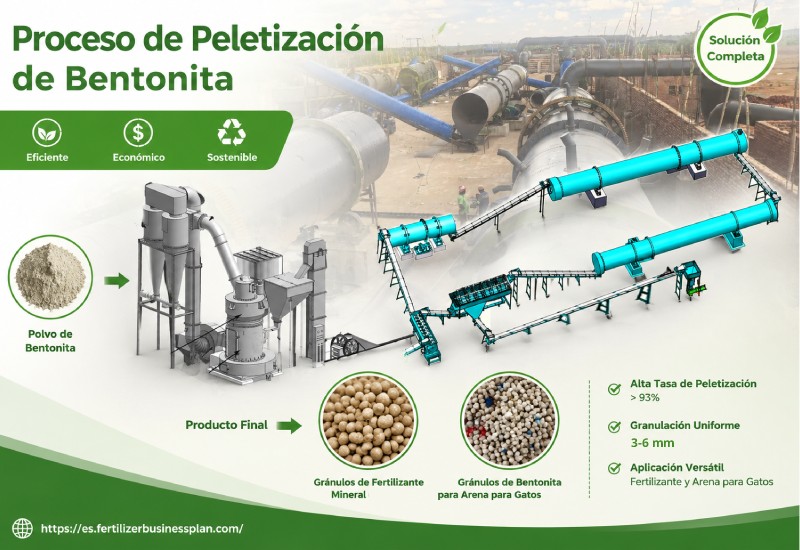
Para producción continua, un granulador rotatorio de alta capacidad procesa entre 1 y 30 TPH. En bentonita, el tambor normalmente forma gránulos de 3–6 mm mediante granulación húmeda, por lo que la línea suele incorporar secado y enfriamiento.

Línea de granulación de bentonita

Para la produção de grânulos esféricos de areia sanitária para gatos, el granulador de disco ofrece un rango aproximado de 1–8 mm. La humedad, la alimentación y el ángulo del disco influyen directamente en el tamaño final.

La extrusión seca de bentonita resulta atractiva cuando se buscan pellets duros y menor consumo térmico. El sistema de doble rodillo no añade líquido durante la compactación y puede eliminar la etapa de secado; la página indica una dureza de 15–20 N para los pellets.

¿Cómo comparar presupuestos completos?

La página presenta configuraciones de 5–20 TPH con inversiones orientativas de 100.000 a 500.000 USD. Una planta modular de bentonita puede comenzar con trituración, granulación, cribado y ensacado, y reservar espacio para ampliar el secado, enfriamiento o recubrimiento.

Solicite cada oferta con los mismos datos:

  • Materia prima, humedad y tamaño de alimentación
  • Aplicación y diámetro comercial del pellet
  • Capacidad por hora y horas de trabajo
  • Tipo de envase y espacio del taller
  • Voltaje, automatización y plan de expansión

Con esta información podrá comparar alcance, consumo y equipos auxiliares, no solo el precio del granulador. Puede consultar la solución técnica y solicitar una configuración basada en sus materiales:

https://es.fertilizerbusinessplan.com/productos/proceso-de-peletizacion-de-bentonita/