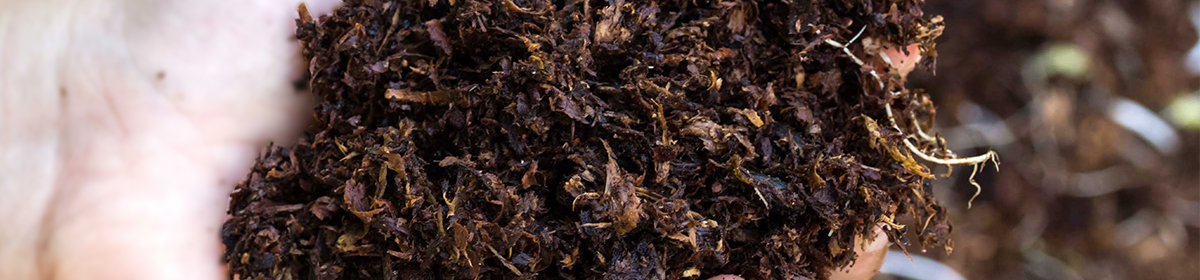
Planning Feedstock Receiving and Buffer Storage for Chicken Litter Pellet Processing

A pellet line needs a receiving arrangement that fits your delivery pattern and treatment capacity. Before comparing granulators, map how incoming material moves from the truck to its next processing stage. Your chicken litter pellets processing receiving plan can connect supplier deliveries, inspection, temporary holding, and controlled transfer.

Record what arrives and when

Ask each source for expected delivery size, frequency, and seasonal changes. Record moisture, bulk density, visible contaminants, and treatment status at reception. Because poultry litter contains more than manure, describe the actual mixture without assuming every delivery behaves alike.

Use your poultry litter granulation line feedstock scheduling review to compare peak arrivals with the rate at which your receiving and treatment areas can clear material. Include weekends, planned maintenance, and delayed collections in that discussion.
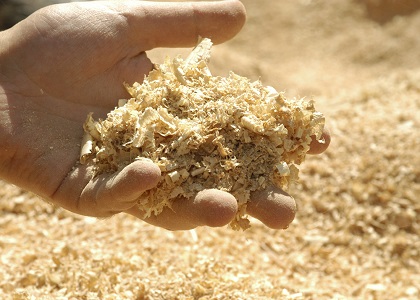
Sawdust as auxiliary material for composting poultry manure

Size the buffer around your operating pattern

Plan chicken litter pellet plant buffer storage from the largest credible accumulation between deliveries and onward processing. Convert incoming mass into storage volume using measured bulk density, then discuss usable capacity, access space, and handling limits with your supplier.

Keep raw, partly treated, and accepted feedstock identifiable. Set holding and inspection procedures for your material and site conditions; a fixed number of storage days cannot describe every operation. Review stock age and condition before selecting a batch for transfer.

Define the receiving area

Your chicken litter processing system material reception review can cover truck access, unloading position, weighing, sampling, and a separate place for loads awaiting a decision. Ask how operators identify foreign objects and record rejected or uncertain material.

Discuss protection from rain, drainage, cleaning access, and dust or odor management with your site team. Put these responsibilities into the layout and supply scope before choosing hoppers or conveyors.

Connect storage with treatment and feeding

Compare commercial composting equipment for incoming litter with the incoming condition and the treatment route you intend to use. Temporary storage and pelletizing do not replace a validated composting or treatment step. Define the acceptance checks for material entering the granulation section.

Review chicken litter pellet production storage interfaces at each transfer point. Ask about loading access, feeder behavior, batch identification, and clearing retained material. Confirm whether the proposed equipment can handle your representative feedstock through a practical trial.

Give suppliers one receiving brief

Share delivery records, measured material properties, your site drawing, treatment sequence, and planned operating hours. Request a layout showing receiving capacity, buffer locations, transfer routes, and responsibility boundaries. Click here for more details and discuss these details alongside your required pellet specification.

https://www.granulationproject.com/product/chicken-litter-pellets-processing/

How Do You Choose the Right Compost Grinder for Sale?

Plant owners and project investors often evaluate compost grinder for sale before they plan a fertilizer processing plant. urea, diammonium phosphate, potassium chloride, ammonium sulfate move through batching system, rotary drum granulator, screening machine in a complete fertilizer production line. When you select this equipment, you review capacity, material condition, and plant layout. This evaluation helps you control investment and keep production stable.

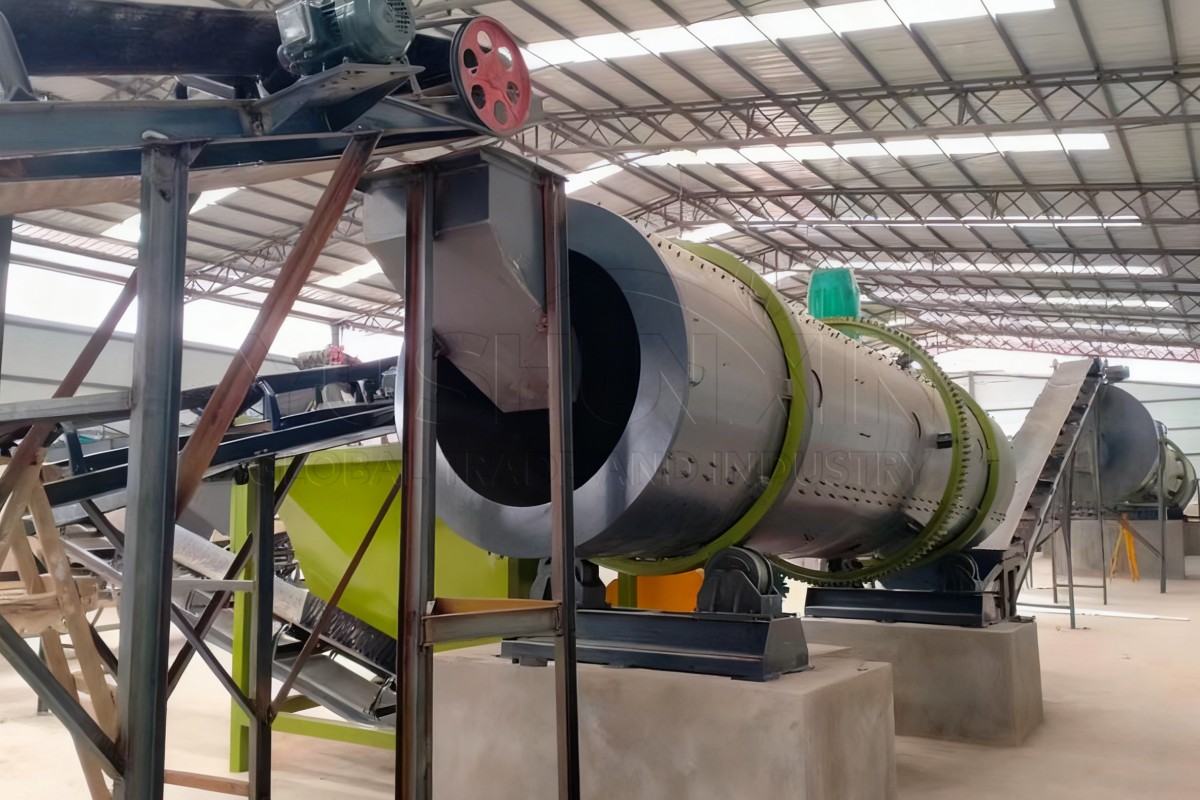
compost grinder for sale

compost grinder for sale

How does a compost grinder for sale system support urea processing?

A compost grinder for sale system supports urea processing by connecting the main machine with feeding, mixing, and screening. You can prepare urea, diammonium phosphate, potassium chloride, ammonium sulfate before the machine starts. A batching system and a rotary drum granulator help control material flow, while a screening machine protects product quality. This layout keeps the fertilizer processing plant stable and reduces manual transfer. You can also compare this process with standard fertilizer manufacturing system principles when you design the line. This preparation improves the fertilizer equipment and keeps the fertilizer machinery balanced. This setup also simplifies maintenance and reduces unexpected stops.

Why does a compost grinder for sale line suit continuous fertilizer production?

A compost grinder for sale line suits continuous fertilizer production because it handles urea, diammonium phosphate, potassium chloride, ammonium sulfate in a steady flow. You can arrange the equipment so the material moves from intake to packing without long stops. The batching system feeds the next stage at a stable rate, and the rotary drum granulator forms the product into a uniform shape. This coordination reduces bottlenecks and keeps the fertilizer production line efficient. You can also add a screening machine to return off-size material for rework, which lowers waste and improves product consistency. The steady output supports daily packing and dispatch targets.

Which compound fertilizer processing technology factors should you review before selection?

compound fertilizer processing technology helps you choose the right equipment for urea, diammonium phosphate, potassium chloride, ammonium sulfate. You can review moisture, particle size, capacity, and plant space before you order. A clear process flow reduces transfer points and protects the fertilizer machinery. This comparison also helps you balance fertilizer equipment with long-term operating cost. You can then match the selected machine to the fertilizer manufacturing system and keep the fertilizer processing plant running smoothly. This review helps you avoid buying oversized or undersized fertilizer machinery.

How can producers compare fertilizer standards for this fertilizer manufacturing process?

You can compare the general process described under fertilizer when you set the product standard and material specification. This reference helps you understand why moisture and particle size matter for urea, diammonium phosphate, potassium chloride, ammonium sulfate. You can also adjust the batching system and the rotary drum granulator according to the target output. This control supports the fertilizer production line and keeps the fertilizer processing plant consistent during peak production. This preparation also supports repeat product quality across production batches.

To summarize, how do you choose the right compost grinder for sale depends on material condition, equipment scope, and production capacity. You can match each machine to the required output and product form. A reliable fertilizer equipment manufacturer can supply the complete fertilizer manufacturing system. Yushunxin provides this fertilizer production equipment. If you have interests, you can learn more about https://www.fertilizerproductequipment.com/compost-grinder-for-sale

What Is the Layout of a 20 T/H NPK Fertilizer Blending Production Line?

Plant owners and project investors often evaluate 20 t/h npk fertilizer blending production line layout before they plan a fertilizer processing plant. urea, diammonium phosphate, potassium chloride, ammonium sulfate move through batching system, rotary drum granulator, screening machine in a complete fertilizer production line. When you select this equipment, you review capacity, material condition, and plant layout. This evaluation helps you control investment and keep production stable.

20 t/h npk fertilizer blending production line layout

20 t/h npk fertilizer blending production line layout

How does a 20 t/h npk fertilizer blending production line layout system support urea processing?

A 20 t/h npk fertilizer blending production line layout system supports urea processing by connecting the main machine with feeding, mixing, and screening. You can prepare urea, diammonium phosphate, potassium chloride, ammonium sulfate before the machine starts. A batching system and a rotary drum granulator help control material flow, while a screening machine protects product quality. This layout keeps the fertilizer processing plant stable and reduces manual transfer. You can also compare this process with standard fertilizer manufacturing system principles when you design the line. This preparation improves the fertilizer equipment and keeps the fertilizer machinery balanced. This setup also simplifies maintenance and reduces unexpected stops.

Why does a 20 t/h npk fertilizer blending production line layout machine suit continuous fertilizer production?

A 20 t/h npk fertilizer blending production line layout machine suits continuous fertilizer production because it handles urea, diammonium phosphate, potassium chloride, ammonium sulfate in a steady flow. You can arrange the equipment so the material moves from intake to packing without long stops. The batching system feeds the next stage at a stable rate, and the rotary drum granulator forms the product into a uniform shape. This coordination reduces bottlenecks and keeps the fertilizer production line efficient. You can also add a screening machine to return off-size material for rework, which lowers waste and improves product consistency. The steady output supports daily packing and dispatch targets.

Which compound fertilizer processing technology factors should you review before selection?

compound fertilizer processing technology helps you choose the right equipment for urea, diammonium phosphate, potassium chloride, ammonium sulfate. You can review moisture, particle size, capacity, and plant space before you order. A clear process flow reduces transfer points and protects the fertilizer machinery. This comparison also helps you balance fertilizer equipment with long-term operating cost. You can then match the selected machine to the fertilizer manufacturing system and keep the fertilizer processing plant running smoothly. This review helps you avoid buying oversized or undersized fertilizer machinery.

How can producers compare fertilizer standards for this fertilizer manufacturing process?

You can compare the general process described under fertilizer when you set the product standard and material specification. This reference helps you understand why moisture and particle size matter for urea, diammonium phosphate, potassium chloride, ammonium sulfate. You can also adjust the batching system and the rotary drum granulator according to the target output. This control supports the fertilizer production line and keeps the fertilizer processing plant consistent during peak production. This preparation also supports repeat product quality across production batches.

To summarize, what is the layout of a 20 t/h npk fertilizer blending production line depends on material condition, equipment scope, and production capacity. You can match each machine to the required output and product form. A reliable fertilizer equipment manufacturer can supply the complete fertilizer manufacturing system. Yushunxin provides this fertilizer production equipment. If you have interests, you can learn more about https://www.fertilizerproductequipment.com/20-t-h-npk-fertilizer-blending-production-line

How Much Capacity Does an Industrial Bio Composter Machine Need for a Fertilizer Plant?

Plant owners and project investors often evaluate industrial bio composter machine system before they plan a fertilizer processing plant. urea, diammonium phosphate, potassium chloride, ammonium sulfate move through batching system, rotary drum granulator, screening machine in a complete fertilizer production line. When you select this equipment, you review capacity, material condition, and plant layout. This evaluation helps you control investment and keep production stable.

industrial bio composter machine

industrial bio composter machine

How does a industrial bio composter machine line support urea processing?

A industrial bio composter machine line supports urea processing by connecting the main machine with feeding, mixing, and screening. You can prepare urea, diammonium phosphate, potassium chloride, ammonium sulfate before the machine starts. A batching system and a rotary drum granulator help control material flow, while a screening machine protects product quality. This layout keeps the fertilizer processing plant stable and reduces manual transfer. You can also compare this process with standard fertilizer manufacturing system principles when you design the line. This preparation improves the fertilizer equipment and keeps the fertilizer machinery balanced. This setup also simplifies maintenance and reduces unexpected stops.

Why does a NPK compound fertilizer production solution suit continuous fertilizer production?

A NPK compound fertilizer production solution suits continuous fertilizer production because it handles urea, diammonium phosphate, potassium chloride, ammonium sulfate in a steady flow. You can arrange the equipment so the material moves from intake to packing without long stops. The batching system feeds the next stage at a stable rate, and the rotary drum granulator forms the product into a uniform shape. This coordination reduces bottlenecks and keeps the fertilizer production line efficient. You can also add a screening machine to return off-size material for rework, which lowers waste and improves product consistency. The steady output supports daily packing and dispatch targets.

Which compound fertilizer processing technology factors should you review before selection?

compound fertilizer processing technology helps you choose the right equipment for urea, diammonium phosphate, potassium chloride, ammonium sulfate. You can review moisture, particle size, capacity, and plant space before you order. A clear process flow reduces transfer points and protects the fertilizer machinery. This comparison also helps you balance fertilizer equipment with long-term operating cost. You can then match the selected machine to the fertilizer manufacturing system and keep the fertilizer processing plant running smoothly. This review helps you avoid buying oversized or undersized fertilizer machinery.

How can producers compare fertilizer standards for this fertilizer manufacturing process?

You can compare the general process described under fertilizer when you set the product standard and material specification. This reference helps you understand why moisture and particle size matter for urea, diammonium phosphate, potassium chloride, ammonium sulfate. You can also adjust the batching system and the rotary drum granulator according to the target output. This control supports the fertilizer production line and keeps the fertilizer processing plant consistent during peak production. This preparation also supports repeat product quality across production batches.

To summarize, how much capacity does an industrial bio composter machine need for a fertilizer plant depends on material condition, equipment scope, and production capacity. You can match each machine to the required output and product form. A reliable fertilizer equipment manufacturer can supply the complete fertilizer manufacturing system. Yushunxin provides this fertilizer production equipment. If you have interests, you can learn more about https://www.fertilizerproductequipment.com/bio-composter-machine

How Do You Select a Pelletizing Disc for Different Fertilizer Formulations?

Plant owners and project investors often evaluate pelletizing disc machine before they plan a fertilizer processing plant. urea, diammonium phosphate, potassium chloride, ammonium sulfate move through batching system, rotary drum granulator, screening machine in a complete fertilizer production line. When you select this equipment, you review capacity, material condition, and plant layout. This evaluation helps you control investment and keep production stable.

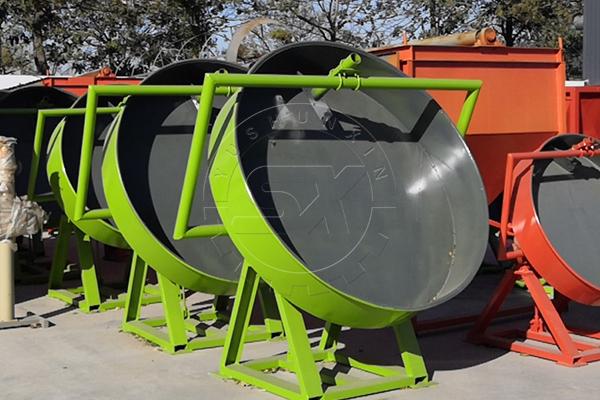
pelletizing disc machine

pelletizing disc machine

How does a pelletizing disc machine system support urea processing?

A pelletizing disc machine system supports urea processing by connecting the main machine with feeding, mixing, and screening. You can prepare urea, diammonium phosphate, potassium chloride, ammonium sulfate before the machine starts. A batching system and a rotary drum granulator help control material flow, while a screening machine protects product quality. This layout keeps the fertilizer processing plant stable and reduces manual transfer. You can also compare this process with standard fertilizer manufacturing system principles when you design the line. This preparation improves the fertilizer equipment and keeps the fertilizer machinery balanced. This setup also simplifies maintenance and reduces unexpected stops.

Why does a pelletizing disc machine line suit continuous fertilizer production?

A pelletizing disc machine line suits continuous fertilizer production because it handles urea, diammonium phosphate, potassium chloride, ammonium sulfate in a steady flow. You can arrange the equipment so the material moves from intake to packing without long stops. The batching system feeds the next stage at a stable rate, and the rotary drum granulator forms the product into a uniform shape. This coordination reduces bottlenecks and keeps the fertilizer production line efficient. You can also add a screening machine to return off-size material for rework, which lowers waste and improves product consistency. The steady output supports daily packing and dispatch targets.

Which compound fertilizer processing technology factors should you review before selection?

compound fertilizer processing technology helps you choose the right equipment for urea, diammonium phosphate, potassium chloride, ammonium sulfate. You can review moisture, particle size, capacity, and plant space before you order. A clear process flow reduces transfer points and protects the fertilizer machinery. This comparison also helps you balance fertilizer equipment with long-term operating cost. You can then match the selected machine to the fertilizer manufacturing system and keep the fertilizer processing plant running smoothly. This review helps you avoid buying oversized or undersized fertilizer machinery.

How can producers compare fertilizer standards for this fertilizer manufacturing process?

You can compare the general process described under fertilizer when you set the product standard and material specification. This reference helps you understand why moisture and particle size matter for urea, diammonium phosphate, potassium chloride, ammonium sulfate. You can also adjust the batching system and the rotary drum granulator according to the target output. This control supports the fertilizer production line and keeps the fertilizer processing plant consistent during peak production. This preparation also supports repeat product quality across production batches.

To summarize, how do you select a pelletizing disc for different fertilizer formulations depends on material condition, equipment scope, and production capacity. You can match each machine to the required output and product form. A reliable fertilizer equipment manufacturer can supply the complete fertilizer manufacturing system. Yushunxin provides this fertilizer production equipment. If you have interests, you can learn more about https://www.fertilizerproductequipment.com/pelletizing-disc

How Much Factory Space Does a 10 TPH Compound Fertilizer Granulation Line Need?

Plant owners and project investors often evaluate 10 tph compound fertilizer granulation line layout before they plan a fertilizer processing plant. urea, diammonium phosphate, potassium chloride, ammonium sulfate move through batching system, rotary drum granulator, screening machine in a complete fertilizer production line. When you select this equipment, you review capacity, material condition, and plant layout. This evaluation helps you control investment and keep production stable.

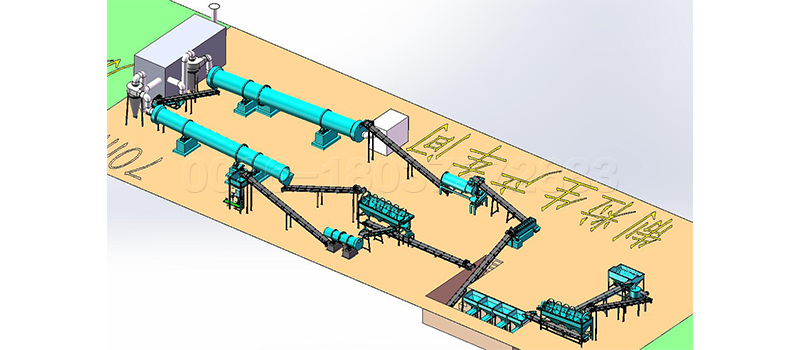
10 tph compound fertilizer granulation line layout

10 tph compound fertilizer granulation line layout

How does a 10 tph compound fertilizer granulation line layout system support urea processing?

A 10 tph compound fertilizer granulation line layout system supports urea processing by connecting the main machine with feeding, mixing, and screening. You can prepare urea, diammonium phosphate, potassium chloride, ammonium sulfate before the machine starts. A batching system and a rotary drum granulator help control material flow, while a screening machine protects product quality. This layout keeps the fertilizer processing plant stable and reduces manual transfer. You can also compare this process with standard fertilizer manufacturing system principles when you design the line. This preparation improves the fertilizer equipment and keeps the fertilizer machinery balanced. This setup also simplifies maintenance and reduces unexpected stops.

Why does a 10 tph compound fertilizer granulation line layout machine suit continuous fertilizer production?

A 10 tph compound fertilizer granulation line layout machine suits continuous fertilizer production because it handles urea, diammonium phosphate, potassium chloride, ammonium sulfate in a steady flow. You can arrange the equipment so the material moves from intake to packing without long stops. The batching system feeds the next stage at a stable rate, and the rotary drum granulator forms the product into a uniform shape. This coordination reduces bottlenecks and keeps the fertilizer production line efficient. You can also add a screening machine to return off-size material for rework, which lowers waste and improves product consistency. The steady output supports daily packing and dispatch targets.

Which compound fertilizer processing technology factors should you review before selection?

compound fertilizer processing technology helps you choose the right equipment for urea, diammonium phosphate, potassium chloride, ammonium sulfate. You can review moisture, particle size, capacity, and plant space before you order. A clear process flow reduces transfer points and protects the fertilizer machinery. This comparison also helps you balance fertilizer equipment with long-term operating cost. You can then match the selected machine to the fertilizer manufacturing system and keep the fertilizer processing plant running smoothly. This review helps you avoid buying oversized or undersized fertilizer machinery.

How can producers compare fertilizer standards for this fertilizer manufacturing process?

You can compare the general process described under fertilizer when you set the product standard and material specification. This reference helps you understand why moisture and particle size matter for urea, diammonium phosphate, potassium chloride, ammonium sulfate. You can also adjust the batching system and the rotary drum granulator according to the target output. This control supports the fertilizer production line and keeps the fertilizer processing plant consistent during peak production. This preparation also supports repeat product quality across production batches.

To summarize, how much factory space does a 10 tph compound fertilizer granulation line need depends on material condition, equipment scope, and production capacity. You can match each machine to the required output and product form. A reliable fertilizer equipment manufacturer can supply the complete fertilizer manufacturing system. Yushunxin provides this fertilizer production equipment. If you have interests, you can learn more about https://www.fertilizerproductequipment.com/10-tph-compound-fertilizer-granulation-line

Seasonal Feedstock Changes: Planning a Flexible Organic Fertilizer Production Line

Does your manure supply become wetter during rainy months, while crop residues arrive mainly after harvest? Planning an organic fertilizer production line for seasonal feedstocks starts with understanding those changes. You can compare equipment proposals against the materials available throughout the year, rather than one convenient sample.

What Changes Between Your Supply Seasons?

Begin with a monthly supply calendar. Record each material’s source, expected quantity, moisture, delivery frequency, and storage conditions. Separate measured figures from estimates so your supplier can identify gaps.

Keep a simple delivery log during the first season, then compare actual material quantities and moisture readings with the assumptions used to size your proposed production line.

Also, distinguish fresh manure from mature compost. They enter different points in the production process. If you purchase compost, ask how the supplier documents its condition and consistency between deliveries.

How Can You Prepare Different Materials?

Your organic fertilizer plant feedstock preparation can reflect the differences between wet manure, fibrous residues, and purchased compost. Discuss receiving checks, removal of unwanted objects, size reduction, and mixing before selecting individual machines.

For fresh organic inputs, review the composting stage and how your team evaluates readiness for further processing. A granulator does not replace composting. Consequently, clarify which preparation steps belong within the quotation and which your existing facility handles.

How Does Moisture Affect the Proposed Route?

Discuss organic fertilizer processing line moisture adjustment using representative samples from wetter and drier periods. Ask where operators measure moisture and which adjustments the proposed process allows.

Depending on the material, your discussion may cover dewatering, mixing with suitable drier ingredients, or changes to drying duty. Adding another ingredient also changes the formulation, so evaluate its suitability alongside moisture.

You can explore granulation routes for prepared organic materials when comparing powder and granular product plans. Request operating assumptions for each proposed route.

Organic Fertilizer Production Process

Where Can You Keep Material Between Stages?

Your organic fertilizer production system buffer storage can separate delivery schedules from daily processing. Discuss distinct areas for incoming feedstock, material undergoing preparation, and material ready for production.

Then review covered storage, drainage, loader access, and batch identification against your site conditions. Ask how storage duration affects the material you intend to process. Extra storage space alone does not establish acceptable storage conditions.

What Can You Agree Before Ordering?

For an organic fertilizer line configuration for variable inputs, share your seasonal supply calendar, available space, target output, and finished product requirements. Request a proposal that identifies the feedstock range behind its capacity estimate.

Compare representative seasonal mixtures through trials where practical. Record preparation requirements, finished product quality, screening returns, and drying needs. Then discuss which changes operators can manage through settings and which involve different equipment or additional preparation.

YUSHUNXIN presents powder and granular production routes for organic materials. Click here for more details as you prepare your project brief.

To discuss your seasonal material supply, visit https://www.shunxin.eu/organic-fertilizer-production-line/ and share your planned products and operating schedule.

How Many Workers Are Needed to Operate a 10 TPH Compound Fertilizer Granulation Line?

Plant owners and project investors often evaluate 10 tph compound fertilizer granulation line before they plan a fertilizer processing plant. urea, diammonium phosphate, potassium chloride, ammonium sulfate move through batching system, rotary drum granulator, screening machine in a complete fertilizer production line. When you select this equipment, you review capacity, material condition, and plant layout. This evaluation helps you control investment and keep production stable.

10 tph compound fertilizer granulation line

10 tph compound fertilizer granulation line

How does a 10 tph compound fertilizer granulation line system support urea processing?

A 10 tph compound fertilizer granulation line system supports urea processing by connecting the main machine with feeding, mixing, and screening. You can prepare urea, diammonium phosphate, potassium chloride, ammonium sulfate before the machine starts. A batching system and a rotary drum granulator help control material flow, while a screening machine protects product quality. This layout keeps the fertilizer processing plant stable and reduces manual transfer. You can also compare this process with standard fertilizer manufacturing system principles when you design the line. This preparation improves the fertilizer equipment and keeps the fertilizer machinery balanced. This setup also simplifies maintenance and reduces unexpected stops.

Why does a 10 tph compound fertilizer granulation line machine suit continuous fertilizer production?

A 10 tph compound fertilizer granulation line machine suits continuous fertilizer production because it handles urea, diammonium phosphate, potassium chloride, ammonium sulfate in a steady flow. You can arrange the equipment so the material moves from intake to packing without long stops. The batching system feeds the next stage at a stable rate, and the rotary drum granulator forms the product into a uniform shape. This coordination reduces bottlenecks and keeps the fertilizer production line efficient. You can also add a screening machine to return off-size material for rework, which lowers waste and improves product consistency. The steady output supports daily packing and dispatch targets.

Which compound fertilizer processing technology factors should you review before selection?

compound fertilizer processing technology helps you choose the right equipment for urea, diammonium phosphate, potassium chloride, ammonium sulfate. You can review moisture, particle size, capacity, and plant space before you order. A clear process flow reduces transfer points and protects the fertilizer machinery. This comparison also helps you balance fertilizer equipment with long-term operating cost. You can then match the selected machine to the fertilizer manufacturing system and keep the fertilizer processing plant running smoothly. This review helps you avoid buying oversized or undersized fertilizer machinery.

How can producers compare fertilizer standards for this fertilizer manufacturing process?

You can compare the general process described under fertilizer when you set the product standard and material specification. This reference helps you understand why moisture and particle size matter for urea, diammonium phosphate, potassium chloride, ammonium sulfate. You can also adjust the batching system and the rotary drum granulator according to the target output. This control supports the fertilizer production line and keeps the fertilizer processing plant consistent during peak production. This preparation also supports repeat product quality across production batches.

To summarize, how many workers are needed to operate a 10 tph compound fertilizer granulation line depends on material condition, equipment scope, and production capacity. You can match each machine to the required output and product form. A reliable fertilizer equipment manufacturer can supply the complete fertilizer manufacturing system. Yushunxin provides this fertilizer production equipment. If you have interests, you can learn more about https://www.fertilizerproductequipment.com/10-tph-compound-fertilizer-granulation-line