
Fertilizer plant teams often evaluate a hydraulic roller pelletizer system to understand how maintenance and material condition affect uptime. The hydraulic drive applies steady pressure to the rollers and compacts powder into granules without a dryer. Chicken manure, crop straw, humic acid, and sewage sludge can enter the machine after crushing and mixing. When you review the hydraulic roller pelletizer, you check roller wear, oil pressure, and feed consistency.
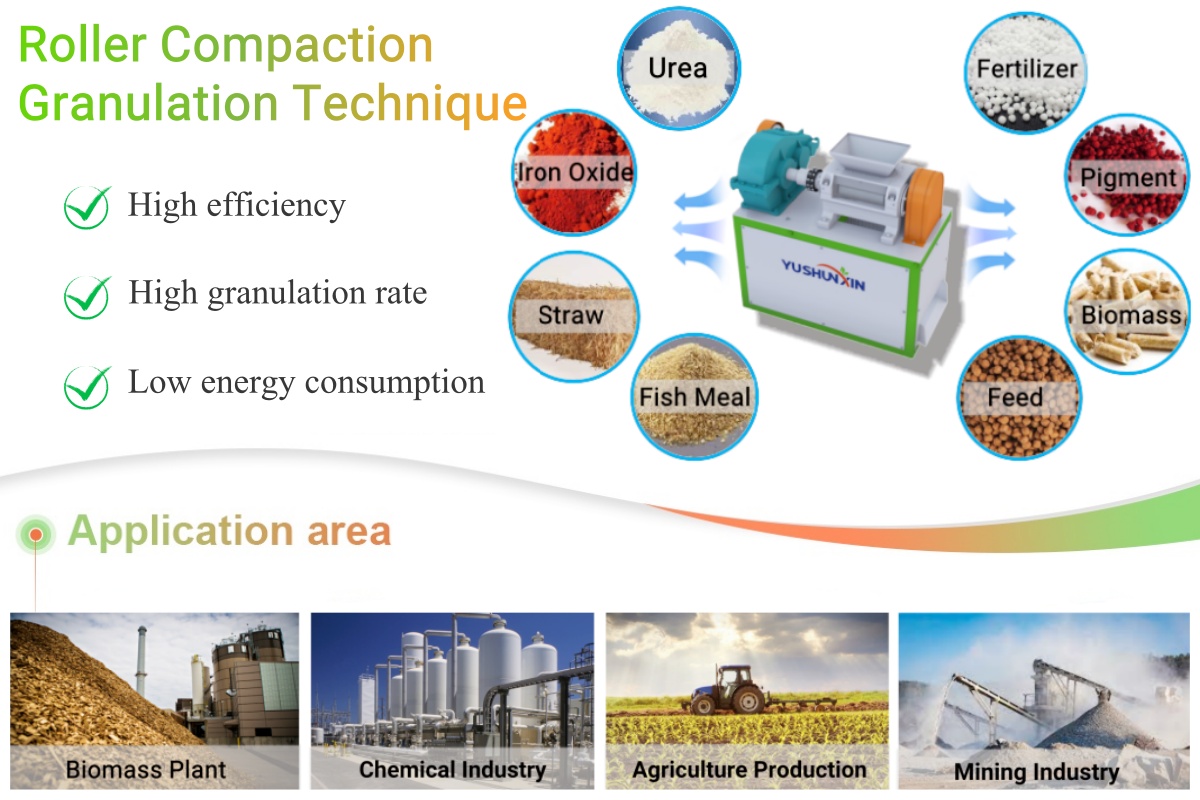
hydraulic roller pelletizer
Which component conditions create the main hydraulic roller pelletizer downtime risk?
Roller wear, hydraulic oil temperature, and uneven feed create the main downtime risk for a hydraulic roller pelletizer line. You can inspect the roller surface and replace worn parts before they affect granule shape. A crusher before the press reduces oversized material and keeps the feed steady. You can also monitor the hydraulic system so pressure remains stable during continuous fertilizer manufacturing. This attention protects the fertilizer machinery and shortens unexpected stops.
How does a hydraulic roller pelletizer machine keep production stable under load?
A hydraulic roller pelletizer machine keeps production stable when the hydraulic drive adjusts pressure according to the material density. You can feed the powder at a consistent rate and keep moisture within a low range before pressing. Organic fertilizer extrusion technology supports this dry forming method and reduces the heat load in the fertilizer extrusion line. A screening machine after the press then separates the on-size granules and returns fines for re-pressing.
Which maintenance steps lower hydraulic roller pelletizer downtime?
Regular inspection, clean feeding, and timely roller replacement lower hydraulic roller pelletizer downtime. You can check the oil level, clean the feed inlet, and avoid hard foreign objects that damage the roller surface. You can compare these steps with the general principles of organic fertilizer processing to keep the fertilizer processing plant running smoothly. This routine helps your team reduce the fertilizer production budget spent on emergency repair.
Which material conditions should operators monitor before pressing?
Operators can monitor moisture, particle size, and hardness before pressing. Dry powder forms strong granules, while wet or sticky material may block the feed or reduce pellet strength. You can add a crusher and a mixer to prepare the feedstock and improve the fertilizer manufacturing process. This preparation also protects the hydraulic roller pelletizer from unnecessary stress.
Why should fertilizer producers compare hydraulic roller pelletizer maintenance with other granulation methods?
Fertilizer producers compare hydraulic roller pelletizer maintenance with wet granulation methods because the dry route has no large dryer and no long cooling drum. You can process chicken manure, crop straw, humic acid, and sewage sludge with lower heat demand and fewer moving parts. The hydraulic press still needs roller inspection and oil care, but the overall maintenance load stays manageable. This comparison helps your team plan a compact fertilizer extrusion line and protect the fertilizer manufacturing system from frequent shutdowns.
To summarize, the downtime risk of a hydraulic roller pelletizer depends on roller wear, hydraulic pressure, feed uniformity, and material moisture. You can reduce the risk with regular inspection and proper feedstock preparation. A fertilizer machinery manufacturer can support the pelletizer with crushers, mixers, and screens. Yushunxin provides this hydraulic roller pelletizing equipment for fertilizer producers. If you have interests, you can learn more about https://www.extruder-granulator.com/hydraulic-roller-pelletizer