
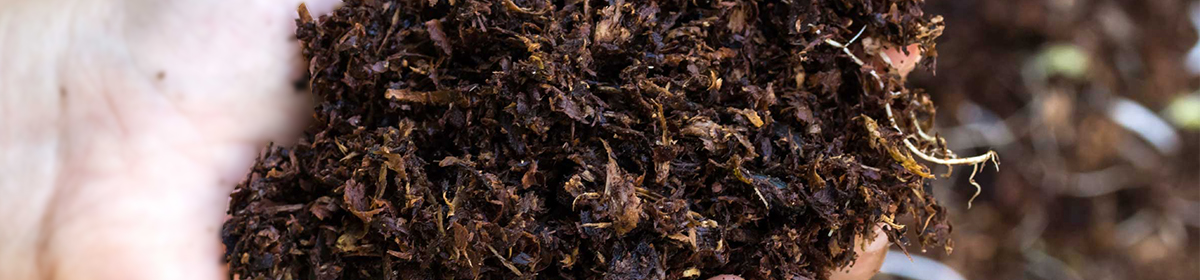
Does your manure supply become wetter during rainy months, while crop residues arrive mainly after harvest? Planning an organic fertilizer production line for seasonal feedstocks starts with understanding those changes. You can compare equipment proposals against the materials available throughout the year, rather than one convenient sample.
What Changes Between Your Supply Seasons?
Begin with a monthly supply calendar. Record each material’s source, expected quantity, moisture, delivery frequency, and storage conditions. Separate measured figures from estimates so your supplier can identify gaps.
Keep a simple delivery log during the first season, then compare actual material quantities and moisture readings with the assumptions used to size your proposed production line.
Also, distinguish fresh manure from mature compost. They enter different points in the production process. If you purchase compost, ask how the supplier documents its condition and consistency between deliveries.
How Can You Prepare Different Materials?
Your organic fertilizer plant feedstock preparation can reflect the differences between wet manure, fibrous residues, and purchased compost. Discuss receiving checks, removal of unwanted objects, size reduction, and mixing before selecting individual machines.
For fresh organic inputs, review the composting stage and how your team evaluates readiness for further processing. A granulator does not replace composting. Consequently, clarify which preparation steps belong within the quotation and which your existing facility handles.
How Does Moisture Affect the Proposed Route?
Discuss organic fertilizer processing line moisture adjustment using representative samples from wetter and drier periods. Ask where operators measure moisture and which adjustments the proposed process allows.
Depending on the material, your discussion may cover dewatering, mixing with suitable drier ingredients, or changes to drying duty. Adding another ingredient also changes the formulation, so evaluate its suitability alongside moisture.
You can explore granulation routes for prepared organic materials when comparing powder and granular product plans. Request operating assumptions for each proposed route.
Where Can You Keep Material Between Stages?
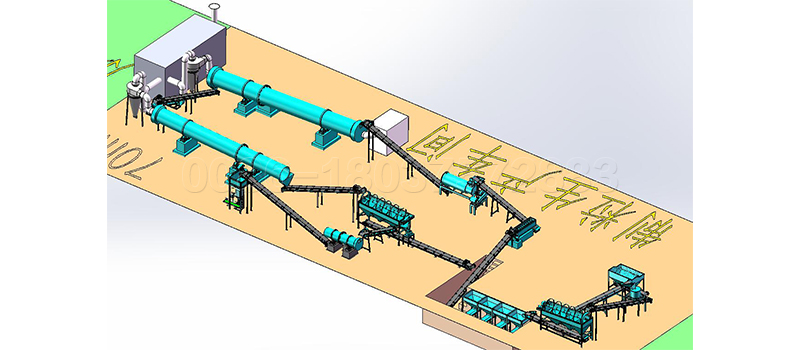
Your organic fertilizer production system buffer storage can separate delivery schedules from daily processing. Discuss distinct areas for incoming feedstock, material undergoing preparation, and material ready for production.
Then review covered storage, drainage, loader access, and batch identification against your site conditions. Ask how storage duration affects the material you intend to process. Extra storage space alone does not establish acceptable storage conditions.
What Can You Agree Before Ordering?
For an organic fertilizer line configuration for variable inputs, share your seasonal supply calendar, available space, target output, and finished product requirements. Request a proposal that identifies the feedstock range behind its capacity estimate.
Compare representative seasonal mixtures through trials where practical. Record preparation requirements, finished product quality, screening returns, and drying needs. Then discuss which changes operators can manage through settings and which involve different equipment or additional preparation.
YUSHUNXIN presents powder and granular production routes for organic materials. Click here for more details as you prepare your project brief.
To discuss your seasonal material supply, visit https://www.shunxin.eu/organic-fertilizer-production-line/ and share your planned products and operating schedule.