How Do You Size a Dry Peeled Garlic Machine for a 1,000 KG/H Processing Line?

A peeled garlic factory, a garlic slice producer, or a central kitchen that plans a 1,000 kg/h line needs a peeler sized to that throughput. The dry peeled garlic machine for a 1,000 kg/h line uses a pneumatic system to remove the skin while keeping the clove whole, and the sizing follows the capacity and the damage rate. This article explains how a buyer sizes the peeler for a food processing line.

dry peeled garlic machine

How Does Capacity Match a 1,000 KG/H Line?

A 1,000 kg/h line needs a peeler that keeps pace with the washer and the dryer, so the buyer matches the model to the throughput. The automatic dry garlic peeler for a high-volume line reaches about a 98 percent peeling rate, so the line stays full. This match keeps the food machinery sized to the volume.

How Does Low Damage Protect the Yield?

The pneumatic peel keeps the damage rate below one percent, so a 1,000 kg/h line keeps far more whole cloves than a friction peeler. The dry peeled garlic machine with low damage protects the yield that the line was built to deliver. This yield is the food manufacturing return that the sizing must protect.

How Does the Peeler Connect With Drying?

A peeler works best when the peeled cloves move directly to washing and drying, because a manual handoff adds moisture and labor. The machine connects with an air dryer for a garlic peeling line, a color sorter, and a packer. A smooth connection keeps the food processing system moving.

How Should a Buyer Match the Model?

A buyer matches the peeler model to the daily garlic volume, because a small kitchen and a large factory need different sizes. The machine supports entry-level and industrial output, so the plant picks the size that fits the line. This match keeps the food machinery cost proportional to the real output.

How Should a Buyer Verify the Sizing?

Garlic peeling rewards a trial with the plant’s own cloves, because size and moisture change the peel. You can review the garlic peeling machine manufacturer before a purchase, and that review shows the capacity and service. A measured trial turns the food machinery sizing into a dependable 1,000 kg/h plan.

How Does the Peeler Reduce Waste?

The pneumatic peel keeps the clove whole instead of crushing it, so the plant keeps more usable garlic and lowers the waste that a friction peeler causes. This waste reduction is a food manufacturing saving that a plant can measure. A buyer who checks the damage rate sees the peeler as a quality and yield control together. This detail is part of the food machinery sizing that protects the output.

Conclusion

A buyer sizes a dry peeled garlic machine for a 1,000 kg/h line by matching the peeler model to the throughput and checking the damage rate and the drying connection. These choices keep the food production line balanced. A well sized peeler therefore keeps the yield high and the line full. If you have interests, you can learn more about https://www.hadofps.com/products/automatic-garlic-peeling-machine/

How Can a Custom Shape Meat Patty Forming Equipment Reduce Labor in a Commercial Plant?

A burger maker, a chicken nugget producer, or a seafood cake factory that shapes meat by hand spends hours on a step a forming machine can finish steadily. The custom shape meat patty forming equipment for a commercial plant presses the filling into a repeatable shape, and that change cuts the labor of hand shaping. This article explains how the machine lowers the food production labor cost.

custom shape meat patty forming equipment

How Does Forming Equipment Replace Manual Shaping?

Manual shaping assigns workers to weigh and press each patty, and the work is slow and hard to keep even. The automatic meat forming machine with changeable molds presses the filling into a uniform weight and shape, so one machine does the work of a shaping team. This change removes the repetitive food handling from the line and frees workers for inspection and packing.

How Do Custom Molds Support Different Products?

The changeable molds let the factory switch between chicken patties, beef patties, shrimp cakes, and mixed fillings, so one machine serves several products. The industrial patty former with hydraulic filling keeps the pressure even for each shape, which lowers the rejects. This flexibility is the food manufacturing value that a custom former delivers.

How Does the Former Connect With Frying Equipment?

A forming machine works best when the shaped product moves directly to coating and frying, because a manual handoff distorts the shape. The machine connects with a continuous fryer for a custom patty line, a coating machine, and a packer. A smooth connection keeps the food processing system moving and the shape intact.

How Should a Plant Measure the Labor Saving?

A plant measures the labor saving by comparing the workers a hand-shaping line needs against the team a forming machine needs, and then counts the fewer rejected shapes. The machine keeps the weight and the shape even across a shift. This saving repeats every day, so the food machinery pays back through labor and quality together.

How Should a Buyer Verify the Equipment?

Meat patty forming rewards a trial with the plant’s own filling, because density and fat change the shape. You can review the custom meat patty forming equipment manufacturer before a purchase, and that review shows the molds and service. A measured run turns the food machinery decision into a dependable labor return.

How Does the Former Keep Weight Consistent?

The forming pressure and the die set the portion weight, so each patty holds the same size and cooks at the same rate. A consistent weight also keeps the packer count steady and lowers the product giveaway. This accuracy is the food preparation benefit that a hand shape cannot repeat. A buyer who checks the weight first makes a more dependable food machinery choice.

Conclusion

A custom shape meat patty forming equipment reduces labor by replacing hand shaping with a uniform press and changeable molds, then connecting the product to coating and frying. These choices keep the food production line efficient and the team lean. If you have interests, you can learn more about https://www.friedfoodsolutions.com/meat-patty-forming-machine/

How Can a Factory Optimize an Industrial Leek Washing Machine to Improve Finished Product Quality?

A leek processor, a salad factory, or a fresh-cut vegetable plant that washes leeks and leafy greens by machine usually finds that the finished quality follows the washing method, the water flow, and the line connection. The industrial leek washing machine for finished product quality cleans the long, layered leaves without tearing them, and a few settings keep the cut clean. This article explains how a factory optimizes the washing step for food preparation quality.

industrial leek washing machine

Which Washing Technology Fits Leeks and Leafy Greens?

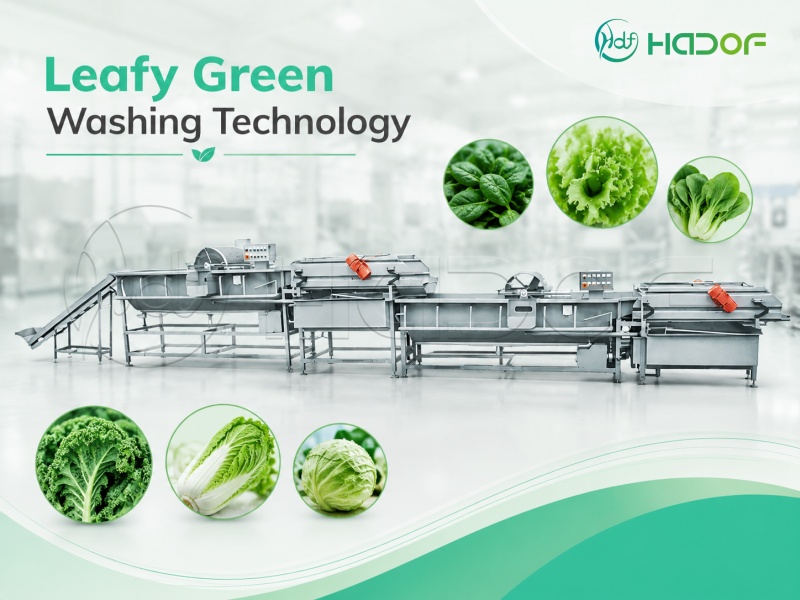
Leeks and leafy greens need a washing method that opens the layers and removes sand without bruising the leaf, and the choice follows the cut size. The leafy green washing technology with vortex and bubble stages uses vortex washing for cut and delicate greens and bubble washing for large whole leaves. A leek line often combines both stages to reach the inner layers. A factory that matches the technology to the product keeps the food manufacturing wash complete.

How Does the Multi-Stage Line Protect Leaf Quality?

A multi-stage line moves the leeks from feeding and sorting to cutting, washing, draining, and drying, so no single machine overworks the leaf. The leek and leafy greens washing line with sorting and drying uses a gentle vortex wash followed by a vibrating drainer and a tumble air dryer. This staged flow removes dirt and surface water while the leaf stays whole. A buyer who maps this sequence keeps the food handling gentle and the yield high.

How Does Water Flow Control Reduce Damage?

The water flow decides how hard the leek is tumbled, and an adjustable flow protects the fragile leaf. The vortex washer lets the operator match the flow to the leaf thickness, so the sand comes out without tearing the surface. This adjustable control is the key food preparation setting for leeks. A plant that tunes the flow to the product reduces the rework that a too-strong wash causes.

How Does the Washer Connect With Sorting and Drying?

A washing line works best when the sorted leeks arrive on a belt and the washed product leaves directly to draining and drying. The line connects with a vortex washing machine for leek processing, a vibrating drainer, and a tumble air dryer, and each handoff needs a matched speed. A smooth connection keeps the food processing system moving and the leaf dry before packing.

How Should a Factory Verify the Settings?

Leek washing rewards a trial with the plant’s own leaves, because the size and the soil load change the flow and the time. You can review the leafy green washing equipment manufacturer before a purchase, and that review shows the line and the service. A measured trial turns the food machinery settings into a dependable quality result.

Conclusion

A factory optimizes an industrial leek washing machine by matching the vortex and bubble stages to the leaf, tuning the water flow, and connecting the wash to sorting and drying. These choices protect the finished product quality. If you have interests, you can learn more about https://www.hadofps.com/tech/leafy-green-washing-technology/

How Do You Calculate ROI for an Industrial Vegetable Blanching Machine in Commercial Production?

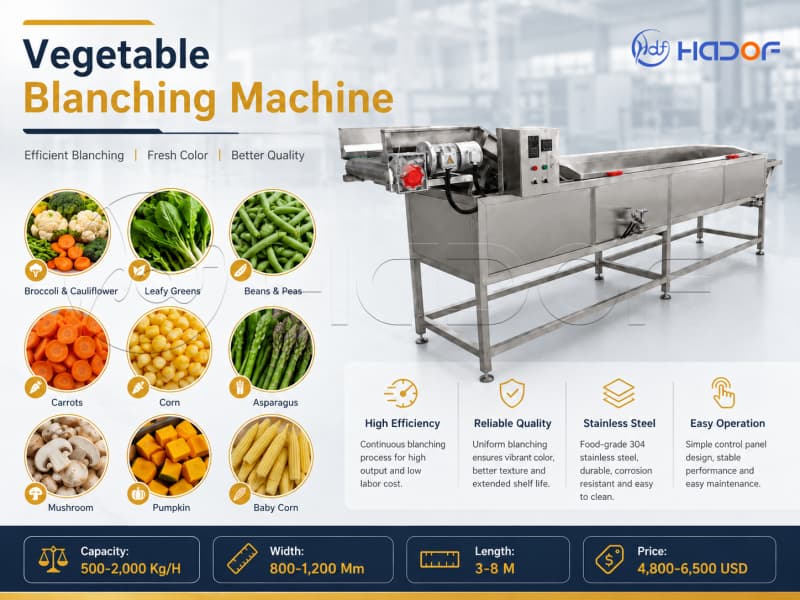
A French fries plant, a potato chip maker, or a frozen vegetable factory that adds a blanching step usually wants to know how fast the machine pays for itself. The industrial vegetable blanching machine for commercial production stabilizes color, reduces raw odor, and prepares vegetables before frying or freezing, and its return comes from labor, quality, and waste savings. This article explains the cost items and the calculation that turns a food equipment purchase into a measured return.

industrial vegetable blanching machine

Which Cost Items Belong in a Blanching ROI Calculation?

ROI starts with the total landed cost of the machine, not only the list price, so a buyer adds delivery, installation, utility connection, and the first year of maintenance. The continuous vegetable blancher with electric, steam, or gas heating comes in capacities around 500, 1,000, or 2,000 kg/h, and the heating choice changes the operating cost. A buyer also records energy, water, and the labor hours the machine removes. These items turn a loose food cost estimate into a figure the plant can defend.

How Does the Blancher Reduce Labor and Energy?

A continuous blancher replaces the pots, strainers, and hand timing that a manual station requires, so one worker supervises a process that once needed several. The vegetable blanching equipment for a fried food line holds a steady temperature and moves product forward on a controlled belt, which removes the stop-start rhythm of batch cooking. Steam and gas options let a plant choose the energy source that fits its local utility cost. These savings repeat every shift and form the core of the food production return.

How Does Blanching Improve Yield and Reduce Waste?

Blanching prepares the product before frying or freezing, and that preparation shows up in color, texture, and final yield. The machine stabilizes vegetable color, reduces raw odor, and deactivates surface enzymes, so fewer batches leave the line as rejects. A more even product also absorbs less excess oil, which lowers both waste and oil cost. This food preparation step therefore adds value that a simple ROI calculation should count as avoided loss.

How Does the Blancher Connect With a Freezing Line?

A blanching machine performs best when the next stage receives product at the right temperature, so the connection matters for the return. The blancher feeds a quick freezer for blanched vegetables, a cooling step, and a packer, and each handoff keeps the product moving. A smooth connection prevents the pile-ups that idle the freezer and waste energy. This line design protects the food processing system and keeps the payback on schedule.

How Should a Plant Measure Payback Months?

Blanching process removes a manual step, so the plant can estimate payback by dividing the delivered cost by the monthly labor, energy, and waste saving. You can review the blanching machine manufacturer before a purchase, because service and spare parts keep the machine productive. A measured payback turns the food machinery decision from a guess into a budget the factory can approve.

Conclusion

An industrial vegetable blanching machine pays for itself through labor, energy, and waste savings, and a buyer calculates the return by dividing the delivered cost by those monthly benefits. These checks protect the food production budget. If you have interests, you can learn more about https://www.friedfoodsolutions.com/vegetable-blanching-machine/

How Much Does an Industrial Garlic Processing Plant Cost for a Large-Scale Food Processing Factory?

A large food factory that plans peeled garlic cloves, garlic powder, or garlic paste production needs a full line, and the budget depends on more than a single machine list. The industrial garlic processing plant for a large-scale food factory joins sorting, separating, peeling, washing, drying, and packing, and the final cost follows capacity, product type, and factory design. This article explains the cost drivers, the process steps, and the checks that keep a large garlic project within a realistic food investment budget.

industrial garlic processing plant

What Cost Drivers Shape an Industrial Garlic Processing Plant Quotation?

A garlic plant quotation changes with processing capacity, the final product mix, and the factory layout, because a line that makes peeled cloves differs from one that makes powder and paste. Heating method, automation level, and stainless steel grade also move the number, and a buyer should separate machinery cost from installation, electrical work, and drainage. The quotation usually covers the main machines plus the conveyors that connect them, and a custom design removes gaps that a fixed package leaves behind. A buyer who lists these drivers early gets a food equipment quotation that reflects the real project instead of a bare machine price.

How Does Capacity and Factory Area Affect the Total Investment?

Capacity decides the machine size and the floor the line needs, so a small plant and a large one plan differently. A small garlic line that processes roughly 100 to 300 kg/h fits a workshop of about 50 to 100 square meters, while a medium line at 500 to 1,000 kg/h needs around 150 to 300 square meters. The automatic fresh garlic processing line with peeling and drying scales up for a large factory that produces peeled cloves, powder, and paste together. A buyer who confirms both throughput and area avoids a food manufacturing layout that crowds the machines or blocks the operators.

Which Process Steps Belong in a Large Garlic Processing Line?

A complete line follows garlic root cutting, manual sorting, separating, peeling, washing and drying, color sorting, deep processing, and final packing. The industrial garlic processing production line for peeled cloves and powder moves bulbs from the sorting platform through a separator that splits whole bulbs into cloves, then through a bubble washer, an air dryer, and a color sorter. Each step feeds the next, and a matched speed keeps the line from backing up. A buyer who maps this sequence understands where each portion of the food processing budget actually goes.

How Does Automation Reduce Labor and Operating Cost?

Automation removes the most repetitive garlic work, and that saving appears in the operating cost every month. A garlic separating machine achieves over 95 percent separating rate and can replace roughly ten workers, while a peeler and a color sorter remove the manual tasks that slow a line. Fewer operators also reduce the food handling touches that risk contamination. A large factory that counts these savings finds that a higher initial automation level can lower the long run food production cost, because labor is a recurring expense while the machine is a one-time purchase.

How Does Garlic Drying Fit the Processing Plant Layout?

After washing, garlic cloves need drying before deep processing or packing, and the drying step decides both quality and shelf life. The line feeds a garlic air drying machine for a processing line, which removes surface water with adjustable air flow before sorting or slicing. A dryer that matches the washer capacity keeps the line moving and prevents wet cloves from spoiling downstream. This drying connection belongs in the plant design, because a missing or undersized dryer turns an efficient food processing system into a bottleneck.

How Should a Factory Compare Suppliers and Project Budgets?

Garlic processing runs on seasonal supply, so a factory needs a supplier that can install the line before the harvest window and support it after. You can review the industrial garlic processing line manufacturer before a purchase, and that review shows engineering, spare parts, and commissioning experience. A careful buyer asks for a trial with its own garlic and a written breakdown of each stage. These steps turn a large food investment into a measurable project instead of a guess.

Conclusion

An industrial garlic processing plant cost follows capacity, product mix, factory area, and automation, and a large line joins sorting, separating, peeling, washing, drying, and packing into one flow. A buyer who maps those drivers and the process steps keeps the project on budget. If you have interests, you can learn more about https://www.hadofps.com/solutions/fresh-garlic-processing-line/